Cling film alternatives: 5 reusable covers compared by what they store
 Save
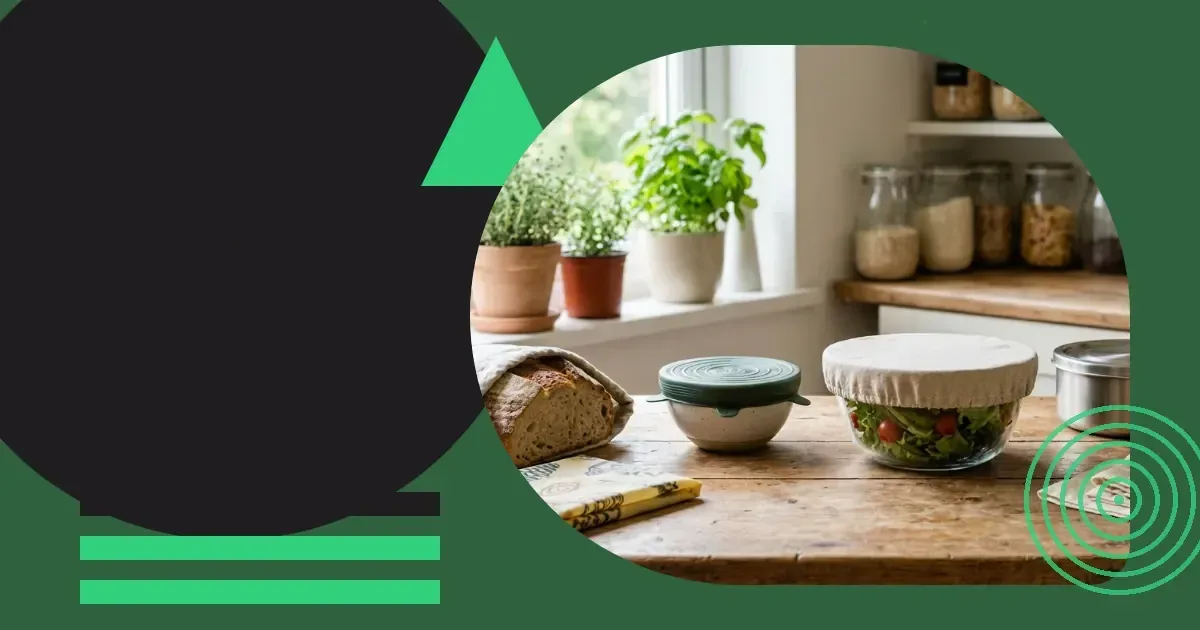
Cling film keeps food fresh but lives in a drawer for months before wrapping leftovers once and heading to landfill. Reusable covers do the same job without the waste: Ecomojo compares beeswax wraps, silicone lids, containers with snap seals, bowl covers and simple cloths by what each stores best, how long it lasts and what it costs to start.
Beeswax wraps for bread, cheese and cut vegetables
A cotton cloth coated in beeswax, tree resin and jojoba oil moulds around food when warmed by your hands. The wrap holds its shape as it cools and creates a seal light enough to let bread breathe while keeping moisture in cut vegetables.
Beeswax wraps work well for bread, hard cheese, carrots and cucumber. They fail with raw meat—the fabric cannot be washed in hot water—and anything wet or oily, which weakens the coating. A single wrap covers a bowl, wraps half a lemon or folds around a sandwich.
Wash in cool water with mild soap, air-dry and store flat. The coating lasts six months to a year of regular use before it thins and stops sticking. Some makers sell refresh blocks to re-coat worn wraps at home.
Silicone stretch lids for bowls and tins
Silicone lids stretch over bowls, mugs, tins and cut fruit. They grip the rim and create an airtight seal that keeps smells in and air out. A set of six covers most kitchen containers; the largest fits a mixing bowl, the smallest a half lemon.
These lids handle hot and cold without cracking. Store soup in the fridge, cover a mug of tea or stretch one over a tin of cat food. Silicone withstands the dishwasher and does not absorb odours the way some plastics do.
The stretch weakens after a year or two of daily pulling, but silicone itself does not degrade. A torn lid still works on smaller containers.
Containers with snap seals for anything liquid
Glass or stainless steel containers with silicone-sealed lids do what cling film cannot: store soup, curry and anything that might spill. The seal keeps air out and prevents leaks in a bag, which makes these the practical choice for taking lunch to work.
Containers stack in the fridge and move straight to the microwave when they are glass. Stainless steel versions keep food colder for longer and survive a drop without shattering. Both last years if the seal is rinsed after each use to prevent a sticky film building up.
The upfront cost is higher than a roll of cling film, but a set of three or four covers most storage needs and earns back the price within months of regular use.
Elastic-edged fabric covers for proving dough and outdoor plates
Cotton covers with an elastic edge fit over bowls during proving or cover plates at a picnic. They let dough breathe—which cling film does not—and keep insects off food outdoors. The elastic holds the cover in place when a breeze picks up.
These covers work where breathability matters more than an airtight seal. They do not keep food fresh for days in the fridge, but they do let a loaf rise without drying out or protect a plate of sandwiches on a garden table.
Wash them with the laundry. The elastic loosens after a year but can be replaced with a needle and ten minutes.
Damp tea towels for greens and herbs
A clean, damp tea towel wrapped around salad leaves or fresh herbs keeps them crisp for several days in the fridge. The moisture prevents wilting without creating the condensation that rots greens in a sealed bag.
This method costs nothing if you already own tea towels and works better than any purchased cover for delicate leaves. Rinse the towel, wring it out and wrap the greens loosely. Check after two days and re-dampen if the towel has dried.
A muslin cloth does the same job and dries faster between uses. Both go in the washing machine when they need it.
Comparing reusable covers by use
| Cover | Best for | Lasts | Washes in machine |
|---|---|---|---|
| Beeswax wrap | Bread, cheese, cut veg | Six months to one year | No |
| Silicone lid | Bowls, tins, mugs | One to two years | Yes |
| Sealed container | Liquids, work lunches | Several years | Lid only |
| Fabric cover | Proving dough, picnics | One year, repairable | Yes |
| Damp towel | Salad, fresh herbs | Years | Yes |
Choosing what works for your kitchen
Start with what you cover most often. If you wrap cheese and halved vegetables daily, beeswax wraps earn their place. If you store leftovers in bowls, silicone lids cover more shapes with fewer pieces. If you take lunch in a bag, a sealed container prevents spills and outlasts everything else.
You do not need all five. Most kitchens manage with two types: a few beeswax wraps for everyday wrapping and a set of containers for anything that might leak. Fabric covers suit households that bake; damp towels suit anyone buying loose greens.
Buy one or two pieces first and use them for a month before adding more. A single large beeswax wrap and three silicone lids replace a roll of cling film for many people.
Making the switch without waste
- Finish the cling film you own instead of throwing a half-used roll away.
- Choose one reusable cover that suits what you store most often and use only that for two weeks.
- Notice where the first cover does not work—raw meat, liquids, outdoor plates—and choose a second type that handles those tasks.
- Keep the roll of cling film for the rare occasion nothing else fits, but store it at the back of a drawer so reaching for it requires a deliberate choice.
Repair before replacing
A beeswax wrap that no longer sticks can be refreshed with a beeswax block and a low oven. Lay the wrap on baking paper, grate wax over thin patches, cover with a second sheet and press with a warm iron. The coating redistributes and the wrap works again.
Silicone lids that have torn around the edge still stretch over smaller containers. A fabric cover with loose elastic takes minutes to fix: unpick the casing, thread new elastic and stitch the ends together.
What to do with worn-out covers
Beeswax wraps break down in a compost bin once the coating has worn off, though the process takes months. Cut the fabric into strips to speed it along. Silicone does not compost but can be returned to some makers for recycling into new products—check the brand's website before binning.
Glass containers outlast their lids. Replace the silicone seal and keep using the jar. Stainless steel containers dent but do not break; a dent does not stop them sealing. For more ways to extend what you already own, see how keeping things in use changes waste.
Common mistakes when starting with reusables
Buying a full set of one type before testing it leads to a drawer of unused wraps or lids. One piece used daily teaches you whether it suits your kitchen better than six sitting in packaging.
Expecting every cover to work for everything sets you up for disappointment. Beeswax wraps do not seal soup; silicone lids do not let dough breathe. Each cover has a task it does well and several it does not.
Throwing out cling film while it still works wastes what you already own. The goal is less waste overall, not an immediate swap that sends a usable product to landfill.
Where to find reusable covers
Kitchen shops and zero-waste retailers stock most types. Online sellers offer sets at a lower price than buying individual pieces, but check reviews for durability—a cheap set that splits after two months costs more in the long run than a well-made set that lasts years.
Some refill stations and zero-waste shops sell beeswax wraps made locally. The price is often higher but supports small makers and cuts the emissions of shipping. For other swaps that reduce packaging waste, read three recipes that cover most cleaning tasks.
Second-hand containers turn up in charity shops and at car boot sales. Pyrex and other older glass brands outlast newer versions and cost a fraction of the original price. Wash thoroughly, check the seal for cracks and use as normal.
#Food storage #Plastic-free #Reusable containers #Kitchen swaps
Download PDF: Switching to reusable food covers PDF, 28 KB
Further reading
Frequently asked questions
What works instead of cling film for covering bowls?
Silicone stretch lids grip the rim of bowls, mugs and tins to create an airtight seal. They handle hot and cold, go in the dishwasher and last one to two years of daily use.
Can beeswax wraps go in the fridge?
Beeswax wraps work well in the fridge for bread, cheese and cut vegetables. They should not be used with raw meat or anything wet, and they must be washed in cool water only.
How do you keep salad fresh without plastic bags?
Wrap salad leaves or fresh herbs in a clean, damp tea towel and store them in the fridge. The moisture prevents wilting without the condensation that causes rot in sealed bags.