 Everyday HabitsScripts for refusing plastic bags without causing awkwardness
Zero waste living
- Everyday HabitsScripts for refusing plastic bags without causing awkwardness
 Getting StartedZero waste kitchen: 6 swaps that cost nothing to start
 RecyclingWhat happens to recycling: 4 materials through the UK system
 Household ItemsWhat to do with old bedding: 7 ways to reuse, donate or recycle
 Kitchen SolutionsCling film alternatives: 5 reusable covers compared by what they store
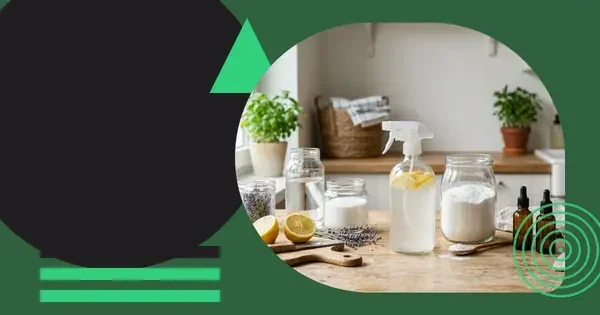 Kitchen SolutionsHomemade cleaning products: 3 recipes that cover most tasks
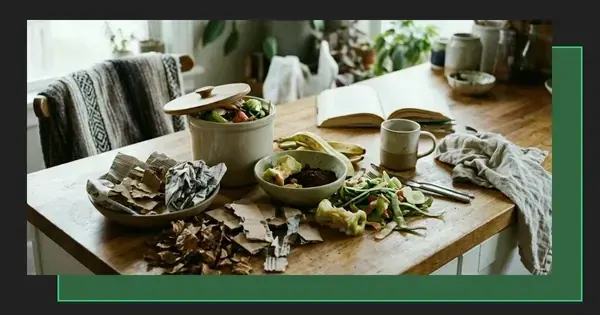 CompostingWhat you can compost at home: 8 categories that settle the question
 Getting StartedCircular economy meaning: how keeping things in use changes waste
Start by refusing what you don't need. Zero waste living in the UK means cutting down what you throw away — not striving for perfection, but making choices that lighten the load on landfill and keep resources in use longer. You'll learn which swaps matter most, how to shop differently and where small changes add up across a week, a month and a year.
The basics of zero waste
Zero waste is a set of habits that keep materials circulating instead of being discarded after one use. The idea is simple: refuse disposable items where you can, reduce what you buy, reuse containers and packaging, and recycle only what cannot be avoided. Composting organic scraps closes the loop at home.
The goal is not to produce nothing — that's impractical for most households. Instead, the aim is to shrink what ends up in the bin by choosing durable goods, repairing rather than replacing, and buying in bulk or loose wherever possible. Every item you keep out of the waste stream is one fewer that needs collecting, sorting or burying.
People living this way often carry their own bags, bottles and containers, shop at refill stores or market stalls, and cook from scratch to avoid packaging. It requires a shift in routine, but once the rhythm is set, many find it easier than the old cycle of buying and discarding.
The five Rs in order
Refuse comes first: say no to freebies, flyers and single-use cutlery. Reduce means buying less and choosing quality over quantity. Reuse covers everything from jars to clothing. Recycle is the fourth step, not the first — many items marketed as recyclable still go to landfill. Rot is composting: turning food scraps and garden waste into soil.
Practical steps to cut waste at home
Begin in the kitchen. Swap cling film for beeswax wraps or lidded containers. Buy loose fruit and vegetables instead of pre-bagged, and bring your own cloth bags. A set of glass jars handles leftovers, packed lunches and dried goods bought in bulk.
Plan meals around what you already have. Food waste makes up a large share of household rubbish, and most of it could be eaten or composted. Write a shopping list before you go, check the fridge first, and store perishables where you'll see them.
In the bathroom, bar soap and shampoo eliminate plastic bottles. A safety razor lasts for years; only the blades need replacing. Reusable cotton pads and a flannel replace disposable wipes. Toothbrushes with replaceable heads or bamboo handles cut down on what you throw away every few months.
For laundry and cleaning, refill stations let you bring your own bottles. Concentrated products dilute at home, and many work as well as the branded versions in single-use packaging. Vinegar, bicarbonate of soda and castile soap cover most tasks without extra plastic.
Setting up a home composting system
A compost bin or heap takes vegetable peelings, coffee grounds, eggshells, cardboard and garden clippings. Balance green material — fresh scraps — with brown material such as dried leaves or shredded paper. Turn the pile every few weeks to speed decomposition.
Keep meat, dairy and cooked food out unless you have a sealed unit designed for them. A small caddy with a lid sits on the counter and empties into the main bin once a day. In six months to a year, finished compost can go back onto the garden or into pots.
Common mistakes and how to avoid them
Buying too many reusable items at once defeats the purpose. Use what you already own until it wears out, then replace it with something durable. A drawer full of tote bags you never carry is clutter, not progress.
Assuming everything labelled recyclable will be recycled is another pitfall. Check what your local council actually collects, and clean containers before putting them in the bin. Contaminated recycling often goes to landfill anyway.
Throwing away serviceable items to replace them with "eco-friendly" versions wastes the energy and materials already invested. Repair, adapt or use them up first. Zero waste is about keeping things in circulation, not buying your way to a cleaner conscience.
Perfectionism stops people starting. One reusable bottle or one meal without packaging is progress. Build the habit before adding the next change.
Choices and options that make a difference
Refill shops let you bring containers and fill them with grains, pasta, cleaning products and toiletries. Many charge by weight, so you buy exactly what you need. Some supermarkets now offer loose sections for dried goods and a few fresh items.
Charity shops, clothing swaps and repair cafés extend the life of textiles and electronics. Borrowing tools, books and equipment from libraries or community schemes avoids the expense and waste of owning things you use once.
Farmers' markets and veg-box schemes often sell without packaging, and the produce travels shorter distances. Ask stallholders to skip the plastic bag or bring your own. Seasonal eating reduces the energy cost of imports and storage.
Menstrual cups, reusable pads and period pants replace disposable sanitary products. The upfront cost is higher, but the items last for years. Cloth nappies work the same way for families with young children — an initial investment that pays back over time.
| Swap | What it replaces | How long it lasts |
|---|---|---|
| Beeswax wrap | Cling film, foil | One year with care |
| Safety razor | Disposable razors | Handle lasts decades; blades replaced monthly |
| Cloth shopping bags | Plastic carrier bags | Several years of weekly use |
| Stainless-steel water bottle | Single-use plastic bottles | Ten years or more |
| Bar shampoo | Bottled shampoo | Equivalent to two or three bottles |
Where to find zero waste supplies locally
Search online for refill stores in your area. Many independent grocers and health-food shops stock loose goods even if they don't advertise it. Community groups on social media often share tips on local suppliers, repair events and clothing swaps.
Hardware stores sell items such as washers, screws and replacement parts by the piece, avoiding the waste of buying a full packet. Library services sometimes include tool libraries, seed libraries and "libraries of things" where you can borrow equipment.
Where to go next
Once the kitchen and bathroom routines are in place, look at how you travel, what you do with old electronics and how you celebrate occasions without generating waste. Many councils run workshops on composting, repair skills and reducing food waste — check your local authority's website.
Online forums and local groups share recipes for homemade cleaning products, lists of packaging-free shops and advice on dealing with situations where zero waste feels impossible. Nobody manages it in every area of life; the community is there to share what works and troubleshoot what doesn't.
Keep a bin audit once every few months: see what you're still throwing away and whether a swap exists. Progress is uneven, and some changes take longer to stick than others. The aim is a direction, not a finish line.
Frequently asked questions
Where can I buy loose vegetables without packaging in the UK?
Farmers' markets, greengrocers and some supermarket loose sections let you choose individual items and bring your own bags. Many veg-box schemes deliver without plastic wrapping.
What goes in a home compost bin?
Vegetable peelings, fruit scraps, coffee grounds, eggshells, garden clippings, cardboard and shredded paper all break down safely. Avoid meat, dairy and cooked food unless you have a sealed unit.
How do I start zero waste living if I have no refill shops nearby?
Begin with what you already own: use up disposable items and replace them with reusable versions as they run out. Buy in bulk where possible, choose items with less packaging and compost at home.
Are reusable nappies more work than disposables?
They require washing every few days, but modern designs fasten like disposables and dry quickly. The upfront cost is higher, though you'll spend less over the months your child needs them.
What should I do with items I cannot reuse or recycle?
Check if a specialist recycling scheme exists — some brands take back packaging, and TerraCycle collects hard-to-recycle items. Anything left goes in the general waste bin, but the goal is to reduce that over time.
Can I live zero waste on a tight budget?
Many swaps save money once the initial purchase is made, and buying loose or in bulk is often cheaper per unit. Borrowing, repairing and buying secondhand all cut costs as well as waste.